
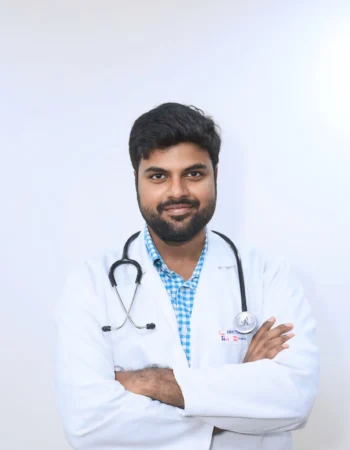
Orthopaedic Surgeon
Dr. Krishna Chaitanya
MBBS, MS (Orthopaedics), FIJR, Sports Medicine
10 years experience
Book
Orthopaedics at Amritdhara My Hospital in Karnal treats problems of the bones, joints and ligaments, and injuries. Services include knee, hip and shoulder replacement, arthroscopy and fracture surgery. Dr. Krishna Chaitanya, our orthopaedic surgeon, sees patients Mon–Sat, 10 am–2 pm and 5–7 pm; book on 0184-4098100. For a serious injury, call Emergency, open 24×7, on 0184-4098539.
Orthopaedic Surgeon
MBBS, MS (Orthopaedics), FIJR, Sports Medicine
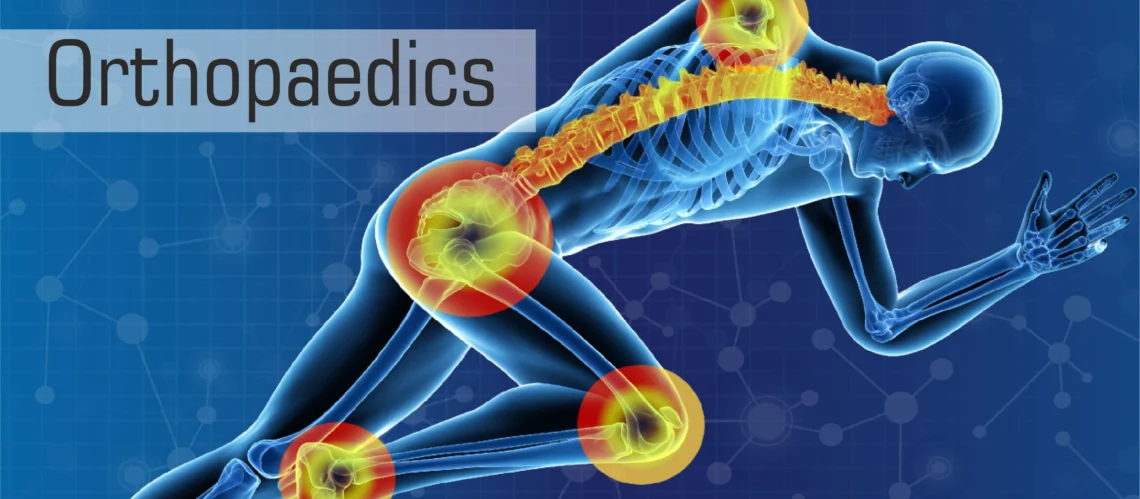
Our Orthopaedics department looks after problems of the bones, joints, ligaments, tendons and muscles. Dr. Krishna Chaitanya (MBBS, MS (Orthopaedics), FIJR, Sports Medicine) is our full-time consultant orthopaedic surgeon, with 10 years of experience. His areas of expertise include joint replacement (arthroplasty), spine endoscopy and sports medicine.
We treat fractures and other injuries, including complex fractures around joints and fractures of the pelvis. For serious injuries, including industrial injuries, our orthopaedic surgeon works with the neurosurgery, general surgery and plastic surgery teams. X-rays and scans are done in our own Radiology department. You can read more about Neurosurgery and Emergency Care on their own pages.
Book an OPD visit if you notice any of the following:
Emergency is open 24×7. Call 0184-4098539. If someone may have hurt their neck or back, do not move them unless they are in danger. If the injured person cannot travel safely, call that number and ask about our ambulance, which has ventilator support.
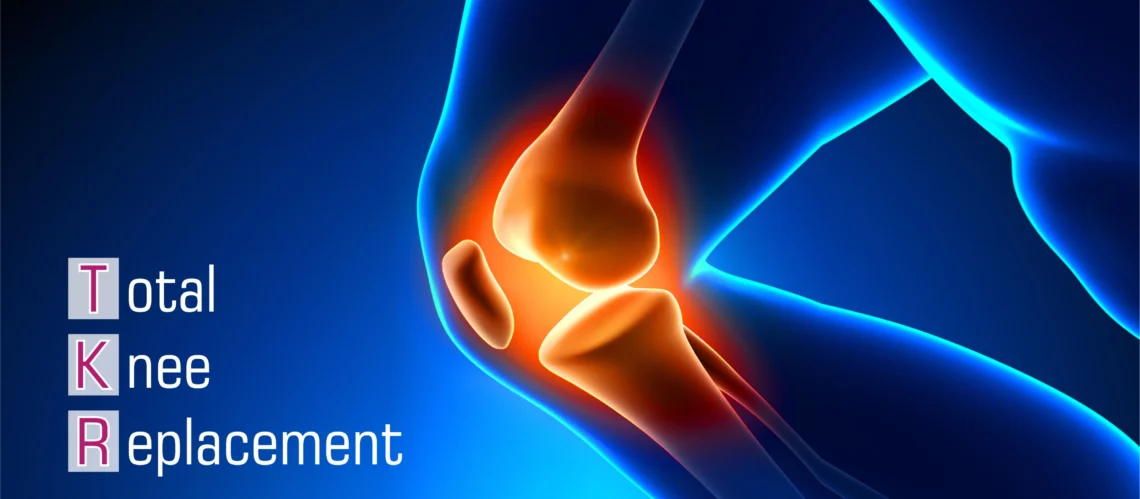
Knee replacement is a big operation, so you and your surgeon decide on it together. Doctors usually advise trying other treatments first, such as exercises, weight loss, medicines and injections. Surgery is considered when these no longer help enough and the pain limits your daily life.
The surgeon examines both knees and reviews your X-rays. When you are admitted, tell the team about every medicine you take. Also mention any past infections, bleeding problems or blood clots. You then have the tests you need. The team will tell you when to stop eating and drinking before the operation. An anaesthetist checks that you are fit for surgery and explains the type of anaesthesia, such as general, spinal or epidural.
Recovery takes weeks, and it differs from person to person. Your surgeon and physiotherapist will guide you.
Contact us straight away if your wound becomes red, swollen or starts to leak, or if you get a fever. Outside OPD hours, call Emergency on 0184-4098539. Come to Emergency at once if you have chest pain, sudden breathlessness, or a painful, swollen calf.
Exercise is a large part of recovery after joint replacement, arthroscopy or a fracture. It helps reduce stiffness and swelling and rebuilds strength. Our Physiotherapy and Rehabilitation team works with patients both in the ward and as outpatients. They will show you the exercises and how to do them safely at home. Outpatient physiotherapy is walk-in during OPD hours, so you do not need an appointment.
Our OPD is open Monday to Saturday, 10 am to 2 pm and 5 pm to 7 pm, and is closed on Sunday. To book a visit with Dr. Krishna Chaitanya, call the front desk on 0184-4098100 or use the booking form on this site. Our address and directions are on the contact page.
For emergencies at any hour, call 0184-4098539.

Joint replacement for the knee, hip and shoulder, with a full-time consultant orthopaedic surgeon, Dr. Krishna Chaitanya
Assessment, surgery and rehabilitation in one hospital
Modular operation theatres and an experienced surgical team
An in-house physiotherapy team that guides your recovery, walk-in for outpatients during OPD hours
Care for complex trauma and industrial injuries, with Neurosurgery, General Surgery and Plastic Surgery working together
Emergency open 24×7, with our own ambulance with ventilator support, in an NABH-accredited hospital
Can’t find your answer? Call 0184-4098100.
There is no precise formula for determining when you should have a knee replacement. If you are having difficulties even in doing simple routine activities of life, you may be a candidate. A careful assessment by an orthopaedic surgeon should yield a recommendation.
In the early stages, a balanced diet, the exercises your doctor advises and losing excess weight may help. You can also ask your surgeon about other treatments often tried before knee replacement. These include medicines, steroid or hyaluronic acid injections and, for a few specific knee problems, keyhole (arthroscopic) surgery. If surgery is recommended, ask your surgeon what waiting could mean in your case.
During the operation, the surgeon removes damaged cartilage and a small part of the bone next to it. These are replaced with implants that together form an artificial joint, designed to move much like a natural knee. The operation itself usually takes one to two hours, but the time varies from case to case. You will be away from the ward for longer because of preparation and recovery from anaesthesia.
Implants are comprised of medical-grade metal and plastic. These components are fixed to bone by two methods:
All surgery with anaesthesia carries some risk. Your anaesthetist will check your health, ask about your medicines and past illnesses, and explain which type of anaesthesia is best for you, such as general, spinal or epidural. Tell the team about any earlier reactions to anaesthesia and about long-term conditions such as diabetes, heart or lung disease. Ask any questions you have at that visit.
Some pain after surgery is expected, and the team uses pain-relief medicines to keep it manageable. The method, such as an epidural infusion, injections or tablets, is chosen by your anaesthetist and surgeon and may change as you recover. After discharge you will usually be given tablets for pain. Doing your physiotherapy exercises regularly also helps. Tell your team if the pain is not under control. Contact the hospital straight away if the pain suddenly gets worse, or comes with swelling, redness or fever.
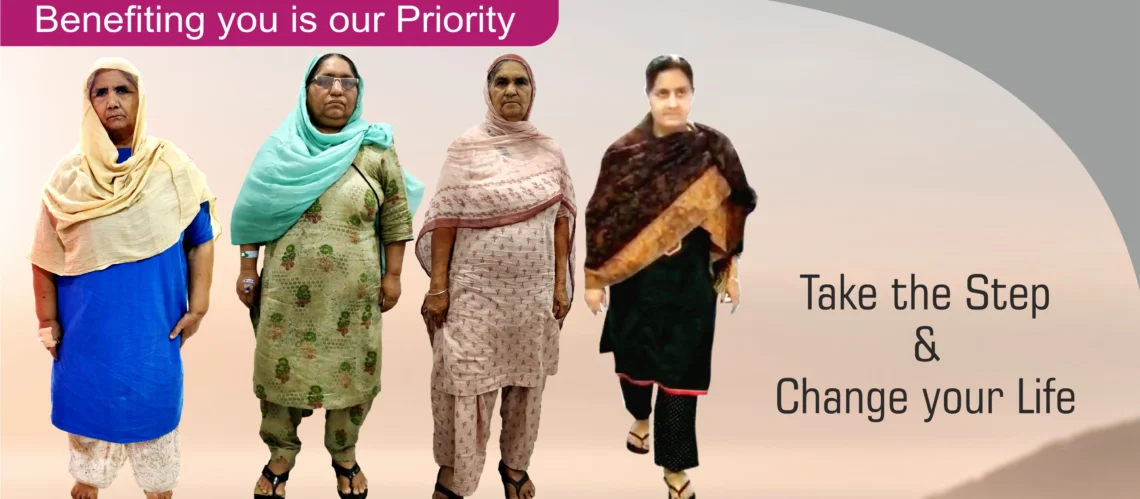
Most people start walking with a walker on the day of surgery or the next day. A physiotherapist helps you with walking, knee movement and exercises. Physiotherapy usually continues for some weeks after you go home. Many people manage daily activities without support after a few weeks, but this varies from person to person. Your surgeon and physiotherapist will tell you when it is safe to stop using the walker.
There is no fixed answer. Many people find their new knee works well for many years, but there is no guarantee. How long it lasts depends on your age, weight, activity level and how well you look after the joint. Wear and tear can shorten its life, so follow the precautions you are given. Some people later need a second operation, called revision surgery. Ask your surgeon what to expect in your case.
Arthroscopy is keyhole surgery. A small camera and fine instruments go through small cuts to look inside a joint and treat it. We use it for problems such as ACL and PCL ligament tears, meniscus tears, recurrent shoulder dislocation and some long-lasting shoulder pain. Whether you need it depends on your examination and scans, so the surgeon will advise you after seeing you.
Keep the injured part still and support it with a folded cloth or pillow. Do not try to straighten it or push a bone back in. Cover any wound with a clean cloth. If the neck or back may be hurt, do not move the person unless they are in danger. Avoid eating or drinking until a doctor has seen you, in case surgery is needed. Come to Emergency, open 24×7, or call 0184-4098539 and ask about our ambulance. An X-ray will show whether there is a fracture.
Replacement is considered when pain, stiffness or joint damage from arthritis or an earlier injury limits your daily life, and treatments such as medicines, injections and exercises no longer help enough. The surgeon examines you, reviews your X-rays and discusses whether a total or partial replacement suits you. Not everyone needs surgery.
Most back pain gets better within a few weeks with gentle movement, staying active and simple pain relief. See an orthopaedic surgeon if it lasts for weeks, keeps coming back or spreads down a leg. Dr. Krishna Chaitanya’s areas of expertise include spine endoscopy. Come to Emergency at once if back pain follows a fall or accident, or comes with new numbness in a leg or between the legs, leg weakness, or loss of control over your bladder or bowels.
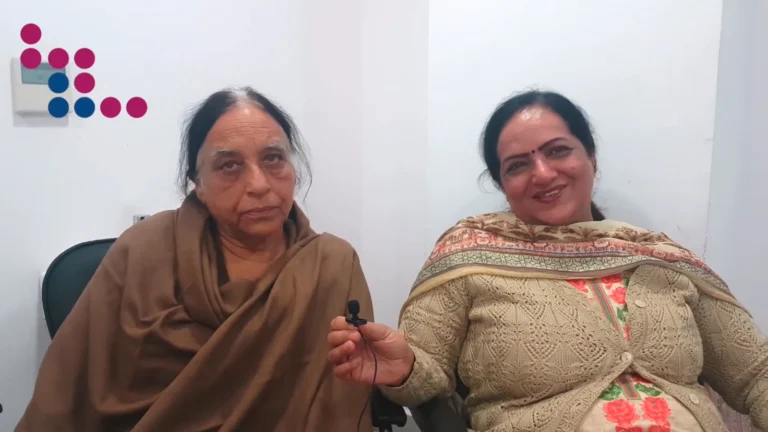
72-year-old Rita Kumar talks about her treatment after a fall broke her thigh bone.
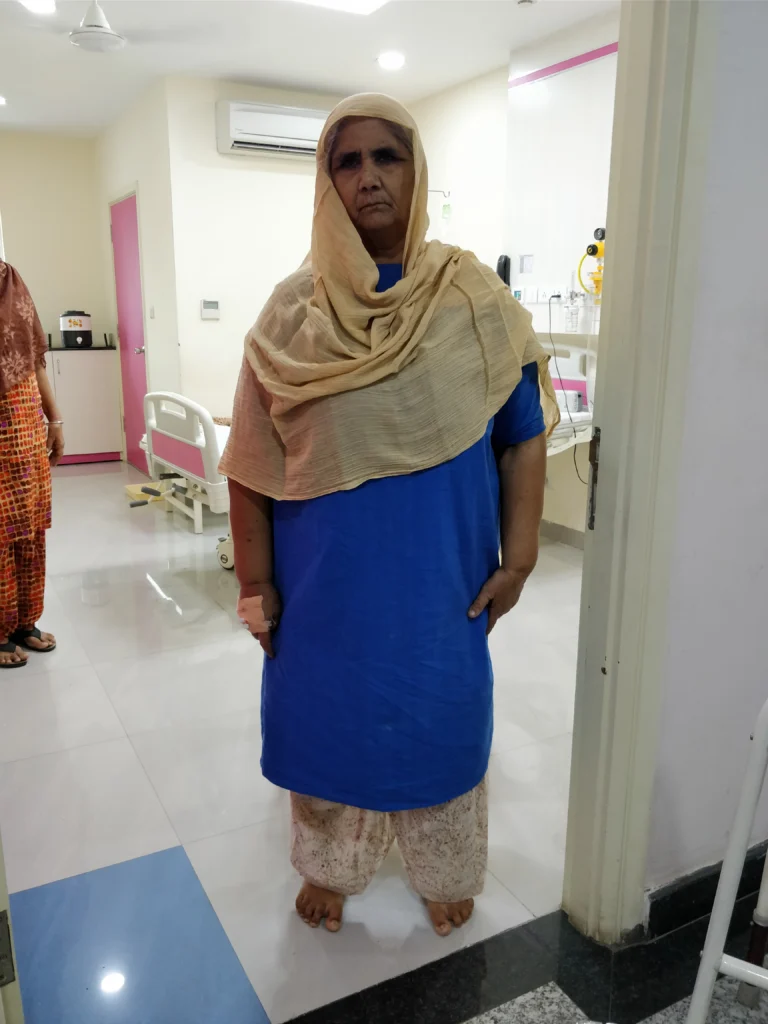
An older patient talks about their knee replacement.

मरीज़ को करीब एक साल पहले घुटने में चोट लगी थी जो लगातार दर्द दे रही थी। उन्होंने इसका इलाज इस उम्मीद पर नहीं कराया की…
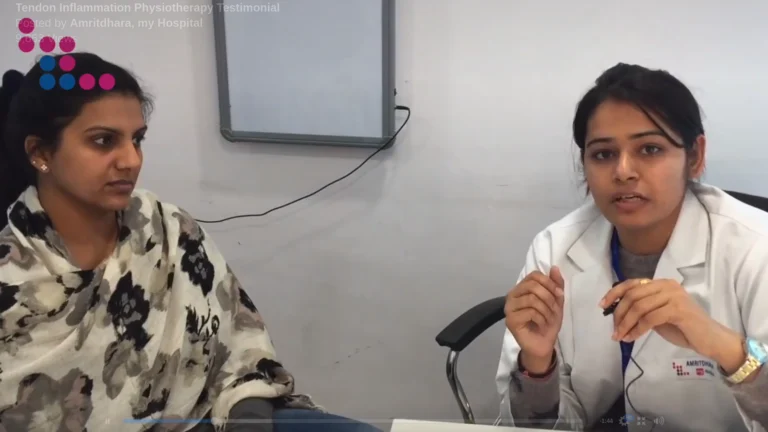
A patient explains how treatment relieved muscle and tendon pain that affected daily life.