
Anaesthesiology
Anaesthesiology is the care that helps keep you comfortable and safe during surgery and procedures. At Amritdhara My Hospital in Karnal, four consultant anaesthesiologists look after patients before, during and after operations. There is no separate anaesthesiology OPD. Questions go to the front desk on 0184-4098100.
On this page
Doctors in this department
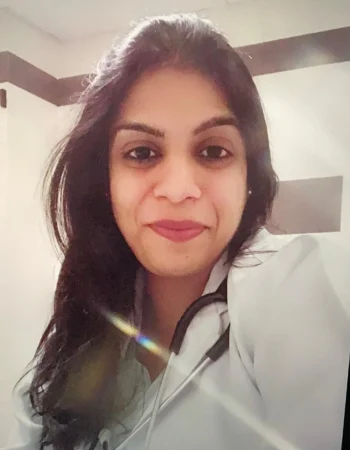
Anaesthesiologist
Dr. Dimpi Gulati
MBBS, MD (Medicine), DNB (Anaesthesiology), EDAIC, FIAPM
8 years experience Call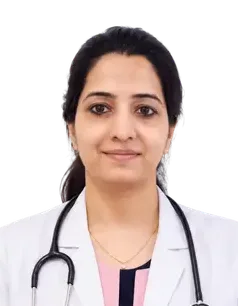
Before you come
- Bring your earlier reports and the discharge papers from any earlier operation.
- Bring the medicines you take, or a list of them with their doses.
- Follow the fasting instructions exactly, and ask the surgeon's team if you are unsure.
- Do not stop any medicine unless the doctor tells you to.
- Come with a family member who can hear the instructions with you.
- For cashless treatment: your insurance or TPA card and photo ID. See the insurers and schemes we work with.
About anaesthesiology
Anaesthesiology is the branch of medicine that looks after you during an operation or procedure. An anaesthesiologist is a doctor who gives medicines so that you do not feel pain, and who watches your breathing, heartbeat and blood pressure throughout. The same doctor also plans your pain relief for after the operation.
At Amritdhara My Hospital, four consultant anaesthesiologists work in this department: Dr. Rupali Narang, Dr. Dimpi Gulati, Dr. Pooja Sharma and Dr. Shikha Walia. Dr. Rupali Narang, Dr. Pooja Sharma and Dr. Shikha Walia speak Hindi and English, and their profiles say they help patients understand the anaesthesia they will need.
How you meet the anaesthesiologist
The anaesthesiologists do not hold an OPD, so you do not book an appointment with them. You meet the anaesthesiologist because you need an operation or procedure.
For planned surgery, the surgeon’s team arranges your care. The anaesthesiologist usually meets you or reviews your reports before the operation, so that the anaesthesia can be planned for you. If you are not sure when this will happen, ask the surgeon’s team, or call the front desk on 0184-4098100.
Kinds of anaesthesia and care
The doctors’ profiles name these kinds of anaesthesia and care. Which one suits you depends on your operation and your health. The anaesthesiologist decides this with you.
- General anaesthesia: you are asleep during the operation.
- Spinal and epidural anaesthesia: medicine is given near the nerves of the back, which numbs the lower part of the body for the operation.
- Regional nerve blocks: medicine is given near a nerve to numb one part of the body, such as an arm or a leg. A block can also ease pain after surgery.
- Pain relief during and after surgery: planned along with the anaesthesia.
- Monitoring during the operation: checking your breathing, heart rate and blood pressure. Dr. Dimpi Gulati’s profile also names invasive monitoring, which means closer monitoring through a fine tube placed in a blood vessel.
- Critical care: the profiles of Dr. Rupali Narang, Dr. Dimpi Gulati and Dr. Pooja Sharma name ICU and critical care work, including support for patients who are seriously ill.
What to tell the anaesthesiologist
Anaesthesia is planned around you, so the anaesthesiologist needs to know about your health. Tell the doctor or the surgeon’s team about:
- any allergy, to medicines, food, latex or anything else
- all the medicines you take, including blood thinners, BP and diabetes medicines, and herbal or home remedies
- any earlier operation or anaesthesia, and any problem with it, for you or a close family member
- long-term conditions such as diabetes, asthma, heart, kidney or thyroid problems
- loose teeth, dentures, snoring, smoking, alcohol, or the chance that you are pregnant
What happens around surgery
Before: the team looks at your reports and asks about your health. You are given instructions about food and drink, called fasting instructions. If you eat or drink when you were told not to, tell the team at once, because the operation may need to be delayed for your safety.
During: the anaesthesiologist gives the anaesthesia and stays with you through the operation, watching your breathing, heartbeat and blood pressure.
After: you are watched while the anaesthesia wears off, and your pain relief is continued. Tell the nurses if you feel pain, sickness or discomfort.
Critical care and Emergency
The hospital has 50 critical-care beds: 30 ICU beds, 5 CTVS ICU beds and 15 NICU beds. You can read about the Intensive Care Unit on its own page.
If you or someone in your family needs urgent care, do not wait to see an anaesthesiologist. Call 0184-4098100 or come to Emergency, which is open 24×7. The Emergency team decides what care is needed.
Common questions
Can’t find your answer? Call 0184-4098100.
Can I book an appointment with an anaesthesiologist?
No. The anaesthesiologists do not hold an OPD. You meet them when you need an operation or procedure, and your surgeon’s team arranges this. For any question, call the front desk on 0184-4098100.
When will I meet the anaesthesiologist before my operation?
For planned surgery, the anaesthesiologist usually meets you or reviews your reports before the operation. Your surgeon’s team arranges this. If you are not sure, ask the team or call 0184-4098100.
What should I tell the anaesthesiologist?
Tell the doctor about any allergy, all your medicines, any earlier operation or anaesthesia and any problem with it, and long-term conditions such as diabetes, asthma or heart problems. Also mention loose teeth, dentures, smoking and alcohol, and any chance of pregnancy.
Can I eat or drink before surgery?
Follow the fasting instructions your surgeon’s team gives you. They tell you when to stop food and drink. If you have already eaten or drunk something by mistake, tell the team at once.
Which kind of anaesthesia will I have?
This depends on your operation and your health. The anaesthesiologist explains the options and decides with you. The doctors’ profiles name general anaesthesia, spinal and epidural anaesthesia, and regional nerve blocks.
What if I need emergency surgery?
Do not wait. Call Emergency on 0184-4098100 or come to the hospital at once, as Emergency is open 24×7. The Emergency team decides what care is needed.